
About
Daseinanalysis is a therapeutic encounter aimed at fostering freedom and openness in the client´s existence—what the philosopher Martin Heidegger called Dasein and being-in-the-world. It is effective with both young people and adults.
Drawing from psychoanalysis, daseinanalysis retains the use of the couch, a focus on the life of dreams, and the fundamental rule of speaking freely under the guarantee of absolute confidentiality. Daseinanalysis is not concerned with uncovering the past as the cause of present suffering, nor does it seek to interpret invisible events within a hypothetical entity known as the psyche.
In contrast to psychoanalytic “analysis,” which breaks the whole into parts, daseinanalysis sees analysis as the loosening of existence from the fixed moorings that restrict one’s capacity to be. It is less about interpretation and more about release—about creating space for authentic living.
There is no dogmatic daseinanalytic technique. Its medium is conversation—a shared space where the client can reinhabit the present, including memories of the past and visions for the future. The daseinanalyst opens a path for the client to realize the inherent possibilities of their own existence.
The client leads and shapes the dialogue. The role of the analyst is not to direct, but to accompany—the therapeutic relationship is a partnership, grounded in the shared pursuit of the client’s freedom to choose among individual possibilities and the richness of phenomena that life presents.
Preparation
The British Daseinanalytic Institute (BDI) offers a four-phase sequential preparation program leading to certification in daseinsanalytic practice: introduction to daseinanalysis, daseinanalytic theory, daseinanalytic practice, and certification.
Program years are not calendar years, since the certificate program is part-time and many candidates take breaks from the program given other professional commitments. For most candidates, six years are required to complete program requirements. Others will require more time; some may require less than six calendar years. Given the wide range of experience of individuals who apply for candidacy and the varying amount of time they have to participate in the certificate program, each applicant’s situation is considered as unique. Program requirements remain consistent in order of experience, but the actual calendar time required to complete them will vary from candidate to candidate.
All fees for course work, seminars, conference attendance, supervision and teaching analysis will be communicated by the BDI faculty on an individual basis.
1. Introduction to Daseinanalysis [First Program Year]
The introductory program is usually completed in about one year and takes place predominantly online. Students must regularly attend lecture courses and seminars on the theory and practice of daseinanalysis.
In addition, teaching analysis and supervision with a daseinanalyst can be started from the beginning. The required teaching analysis always begins with at least one in-person session. Supervision will be predominantly online.
After one year, a preliminary certificate may be obtained.
2. Daseinanalytic Theory [Second and Third Program Years]
The theoretical program is usually completed in about two years. Students continue to attend lecture courses, seminars and related conferences on the theory and practice of daseinanalysis.
Candidates are expected to read widely in the daseinanalytic literature.
Students who complete the theoretical program must pass an oral examination.
After the third program year, a preliminary certificate may be obtained.
3. Daseinanalytic Practice [Fourth and Fifth Program Years]
The professional program is usually completed in about two years. Candidates are now prepared to apply insights of daseinanalytic theory in appropriate settings (e.g. clinic, hospital, private practice) with the candidate’s own analysands.
Students continue to attend lecture courses, seminars and related conferences on the theory and practice of daseinanalysis, with a focus on practical questions like the setting and dream analysis.
Furthermore, it has an emphasis on teaching analysis and supervision with a daseinanalyst.
Students must have completed the introductory program (one year) and the theoretical program (two years) before.
After the fifth program year, a preliminary certificate may be obtained.
4. Certification as a Daseinanalyst [Sixth Program Year]
In the certification program, candidates complete their supervision and their teaching analysis.
They now also complete their practical externship work begun earlier. Some previous clinical experience may be credited for advanced applicants.
Finally, they now complete their theoretical preparation begun earlier.
The final certificate is obtained after written and oral examinations and the presentation of two papers, a case discussion and a theoretical paper, one of which should be suitable for publication.
Therapy
The aim of daseinanalytic therapy is to speak, to ask, to be heard, to be seen, to a gradual and stepwise joint understanding of the meaning of psychological problems or suffering.
For any questions concerning daseinanalytic treatment, please contact us.
We also provide self-experience for everyone wishing to get a deeper insight into her or his ownmost possibilities of living. This helps people who want to experience self-analysis, not therapy.
For some introductory videos on Daseinanalytic therapy, please visit the YouTube channel of the American Daseinanalytic Institute or the YouTube channel of Daseinanalysis United.
Current
Regular online seminars offered by BDI are announced here in due course. Instructions will also be provided by guest lecturers from other daseinanalytic institutes worldwide.
Registration is open now, please register at office@daseinanalysis.uk
2025
20th October 2025, 15.00-17.00 CET. Tamás Fazekas: “What is daseinanalysis?”
24th November 2025, 14.00-15.00 CET. Tamás Fazekas: “The impact of existentials on the practice of daseinanalysis”. Part 1: Being in the world
8th December 2025, 15.00-17.00 CET. Anthony Stadlen: “Medard Boss? Daseinanalysis?”
2026
19th January 2026, 14.00-15.00 CET. Tamás Fazekas: “The impact of existentials on the practice of daseinanalysis” Part 2: Being-with.
2nd February 2026, 15.00-17.00 CET. Fátima Prado: “How daseinanalysis became international”
9th March 2026, 14.00-15.00 CET. Tamás Fazekas: “The impact of existentials on the practice of daseinanalysis”. Part 3: Being-attuned
13th April 2026, 15.00-17.00 CET. Miles Groth: “Daseinanalysis For and After Boss”
11th May 2026, 9.00-11.00 CET. Tamás Fazekas: “The impact of existentials on the practice of daseinanalysis”. Part 4: Being-in-body
14th May 2026, 14.00-15.00 CET. Tamás Fazekas: “Everyday Being-with”. Martin Heidegger: Being and Time §26, Part 1
21st May 2026, 09.00-11.00 CET. Tamás Fazekas: “Everyday Being-with”. Martin Heidegger: Being and Time §26, Part 2
29th June 2026: Inaugural BDI conference in Oxford.
Title: Daseinanalytic lectures. International Conference of the British Daseinanalytic Institute. Location: Corpus Christi College MBI Auditorium and Foyer.
21st September 2026, 14.00-16.00 CET. Tamás Fazekas: “The Dasein-with of Others and Everyday Being-with”. Martin Heidegger: Being and Time §26, Part 3
12th October 2026, 14.00-15.00 CET. Tamás Fazekas: “The impact of existentials on the practice of daseinanalysis”. Part 5: Being-in-time
16th November 2026, 14.00-16.00 CET. Tamás Fazekas: “The Dasein-with of Others and Everyday Being-with”. Martin Heidegger: Being and Time §26, Part 4
November 2026, 14.00-16.00 CET. Hans-Dieter Foerster: „The difference between existential therapy and daseinanalysis“
14th December 2026, 14.00-15.00 CET. Tamás Fazekas: “The impact of existentials on the practice of daseinanalysis”. Part 6: Being-thrown
2027
18th January 2027, 14.00-16.00 CET. Tamás Fazekas: “The Dasein-with of Others and Everyday Being-with”. Martin Heidegger: Being and Time §26, Part 5
Faculty & BOARD
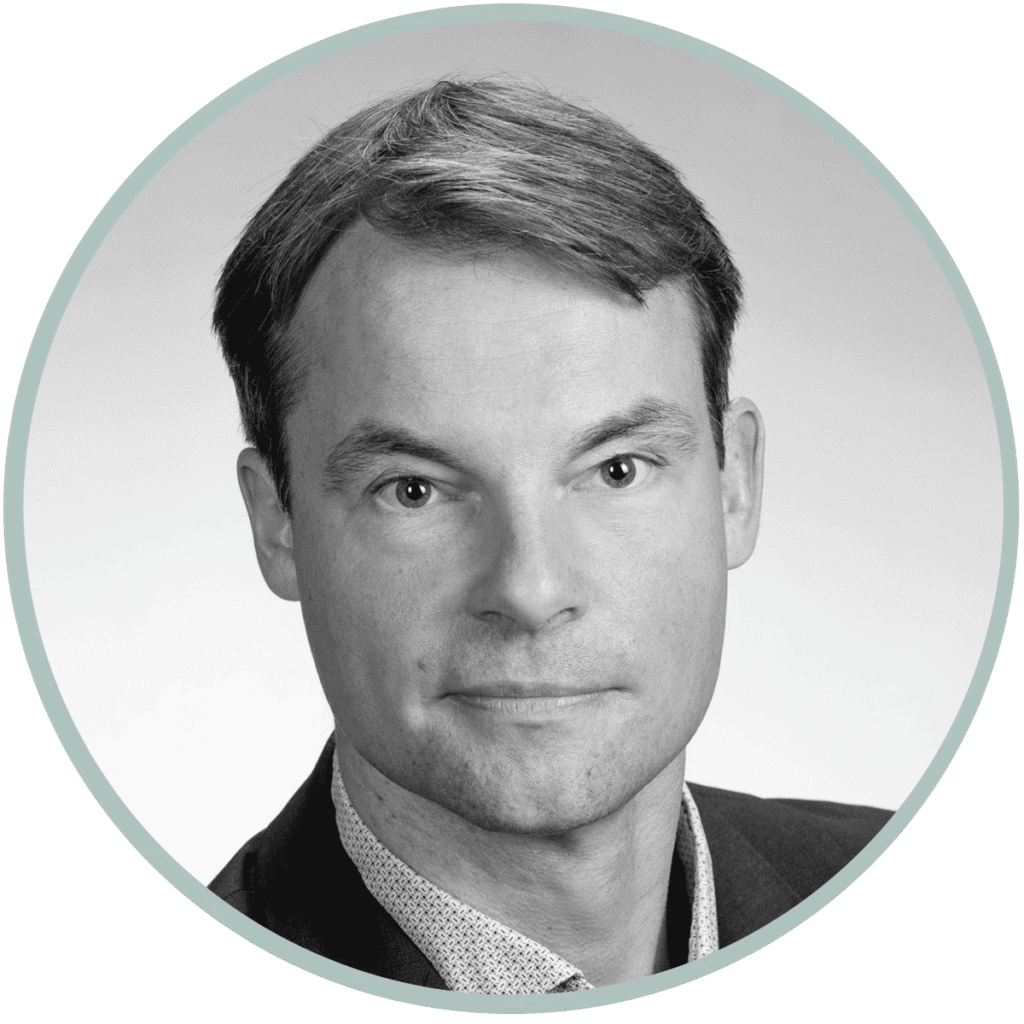
Tamás Fazekas MD PhD
Founder & President & Faculty
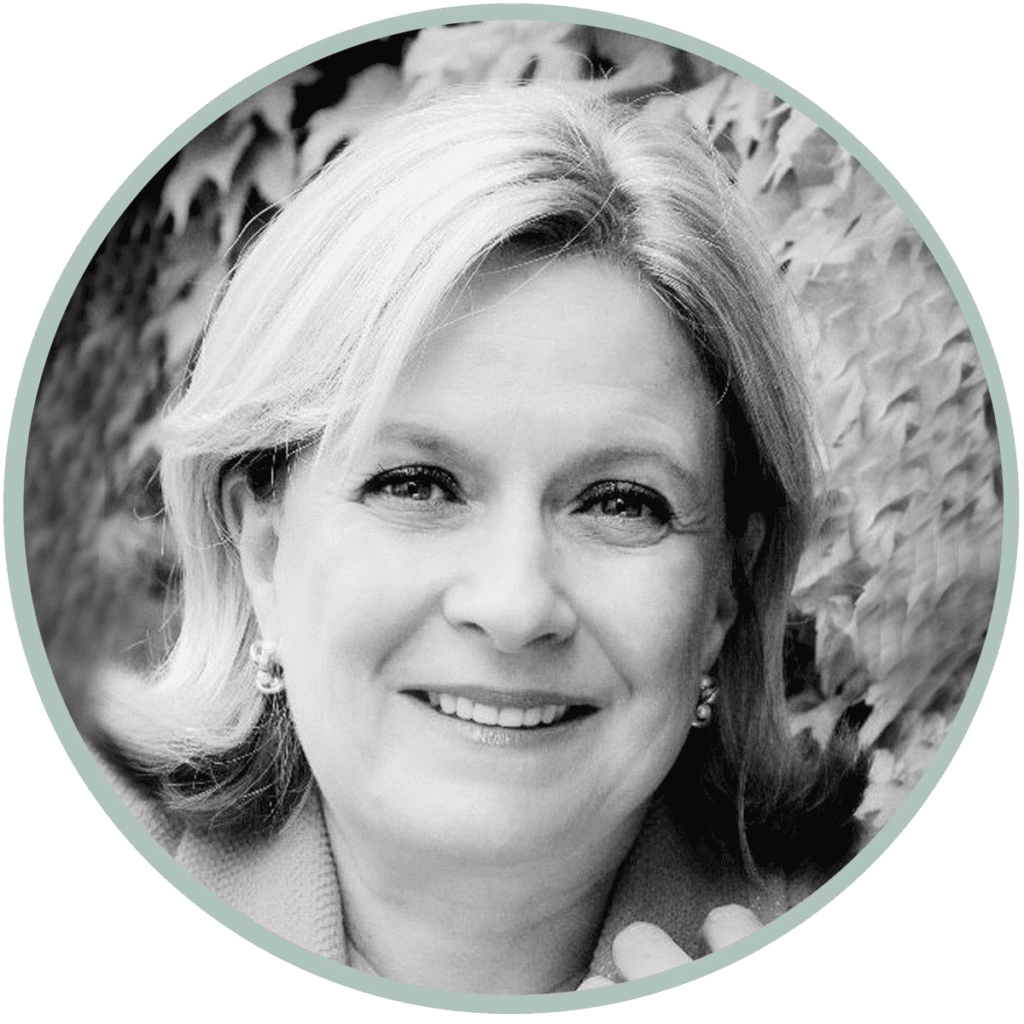
Ondine Smulders
Founder & Vice-President
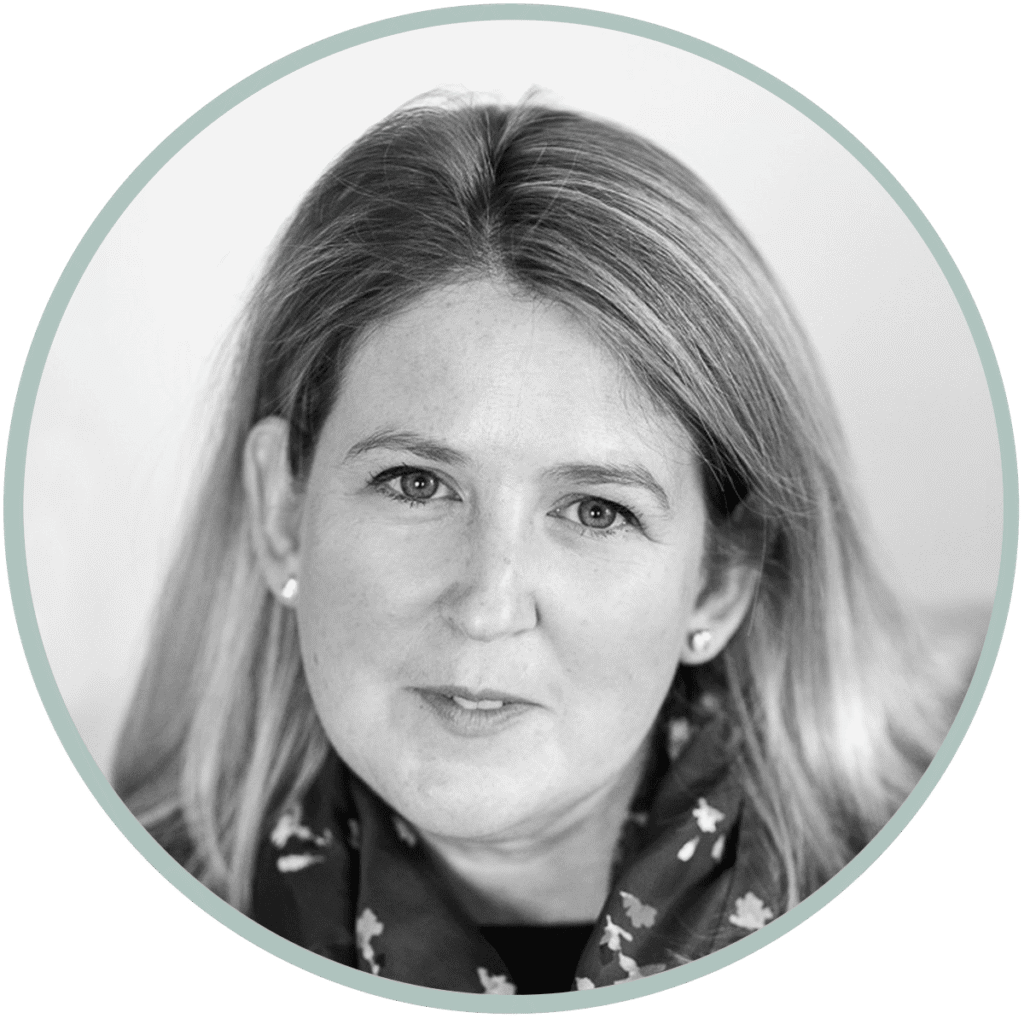
Alina Barrowcliff
Founder
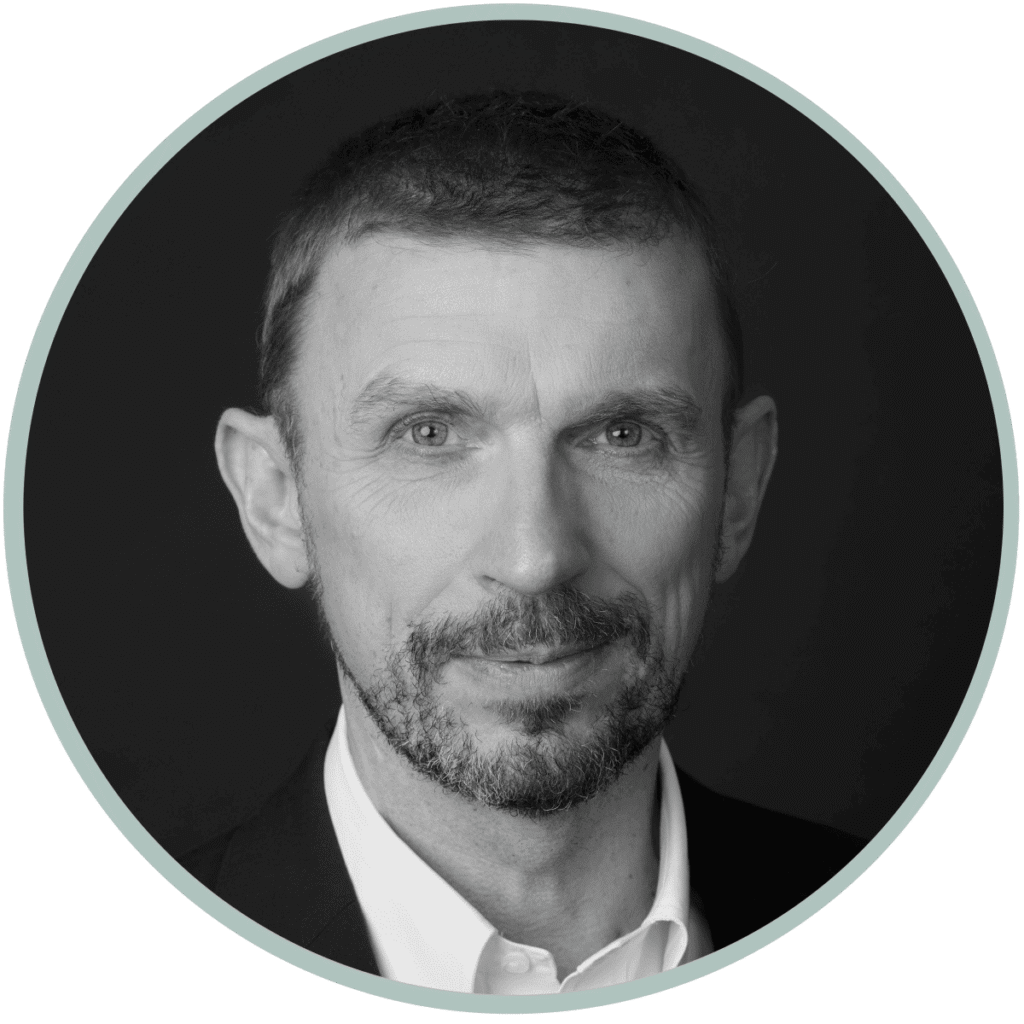
Matthew Hancocks
Founder & Secretary
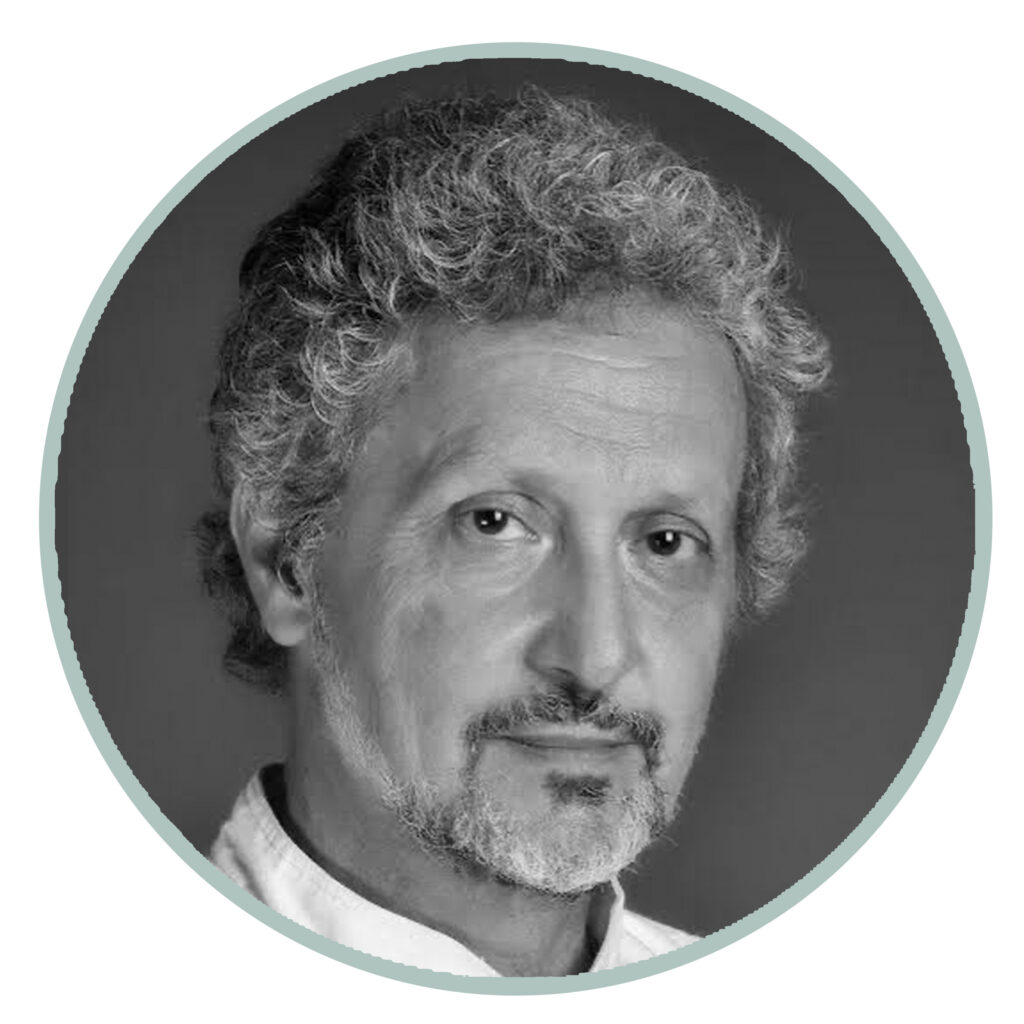
József Krékits MD
Faculty
Psychiatrist, Daseinanalytic therapist and supervisor. President of the Hungarian Daseinsanalytic Society (MDE) and Honorary Associate Professor at the University of Szeged.

Maria de Fátima de Almeida Prado
Visiting Lecturer
Psychologist, Daseinanalytic therapist and supervisor. President of the Brazilian Daseinsanalytic Society (ABD) and vice-president of the International Federation of Daseinsanalysis (IFDA).
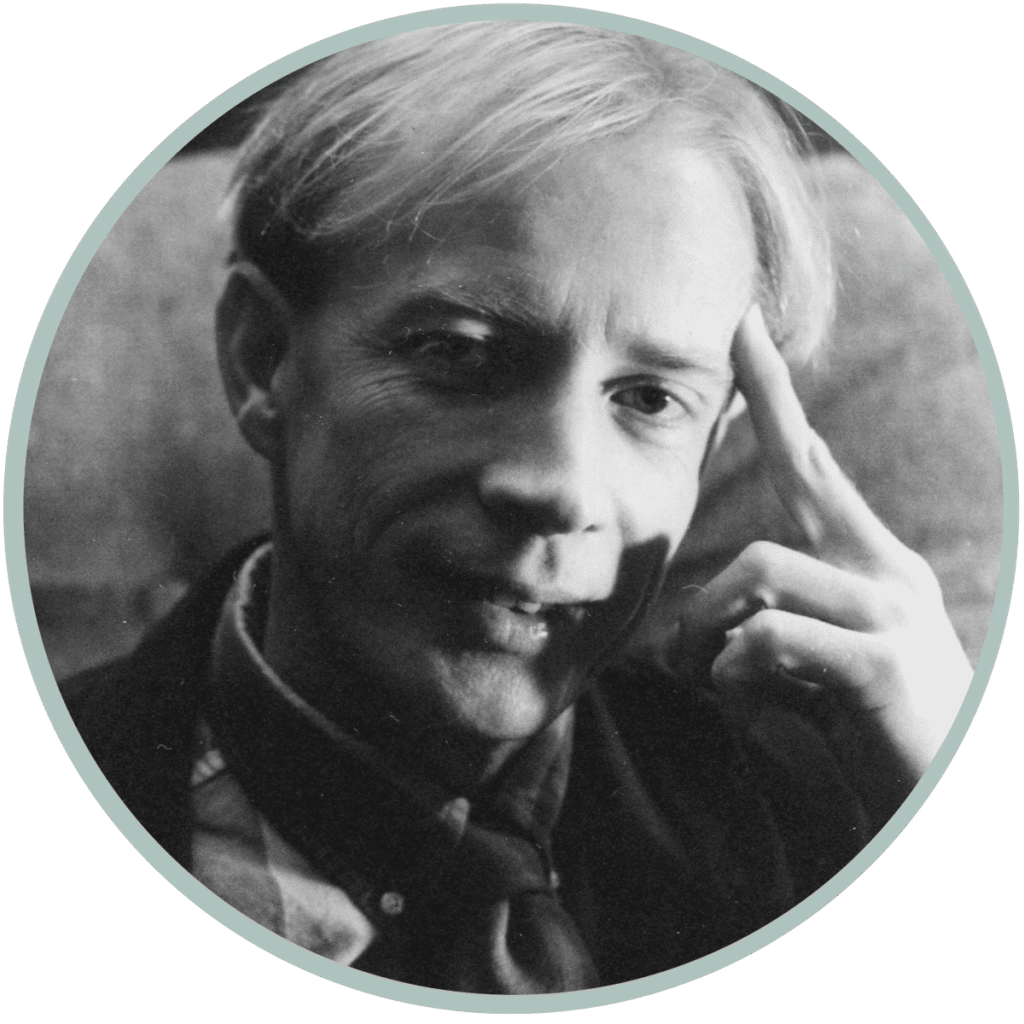
Miles Groth PhD, Professor (Emeritus)
Visiting Lecturer
Dr. Groth (born 1946) is president of the American Daseinsanalytic Institute and a Professor Emeritus in Psychology at Wagner College. He has specialized in daseinanalysis with adolescents and young adults.
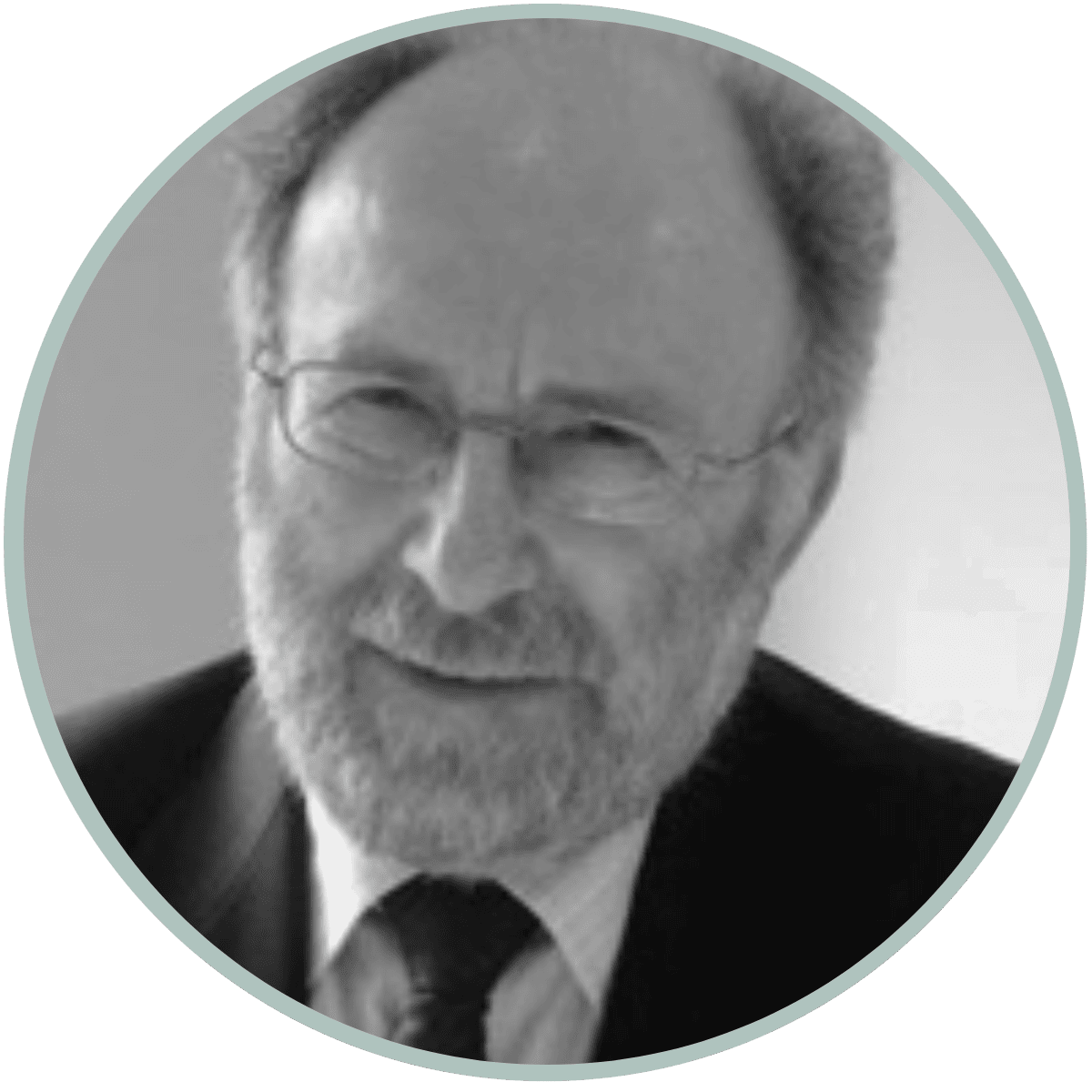
Anthony Stadlen
Visiting Lecturer
Dr. Stadlen (born 1940) is a senior daseinanalyst, family therapist, supervisor, teacher in London. He has convened the internationally known all-day Inner Circle Seminars on psychotherapy since 1996.
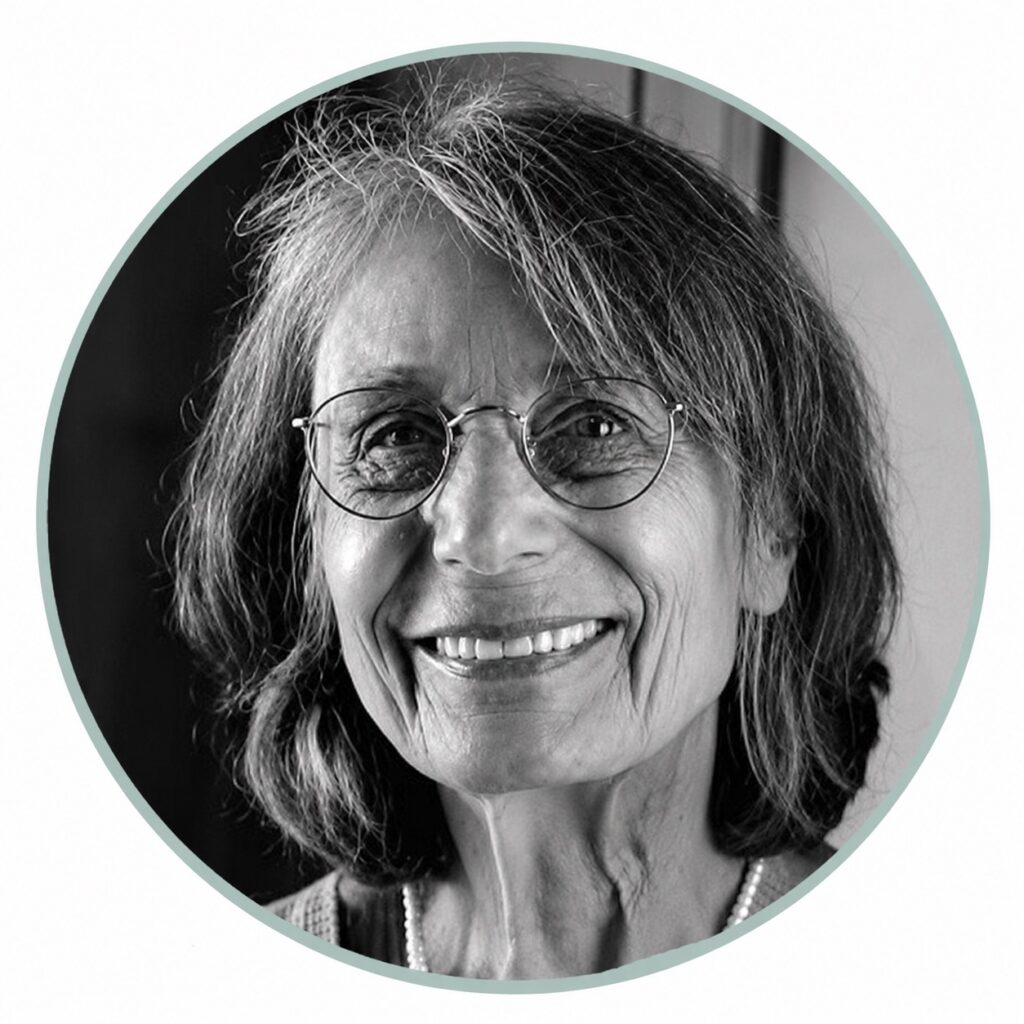
Uta Jaenicke MD
Visiting Lecturer
Dr. Uta Jaenicke is a senior daseinanalyst in Zurich, Switzerland. She has specialized in daseinanalytic dream analysis.
Contact
Please contact us for a membership application.
Full Membership: 60 GBP per year (includes access to all seminars and the annual Yearbook Daseinsanalyse)
BDI - British Daseinanalytic Institute
Tamás Fazekas MD PhD
office@daseinanalysis.uk
Instagram: british_daseinanalysis